-->
404
نعتذر , لا نستطيع ايجاد الصفحة المطلوبة
  • العودة الى الصفحة الرئيسية
  • Showing posts with label Match 3. Show all posts
    Showing posts with label Match 3. Show all posts

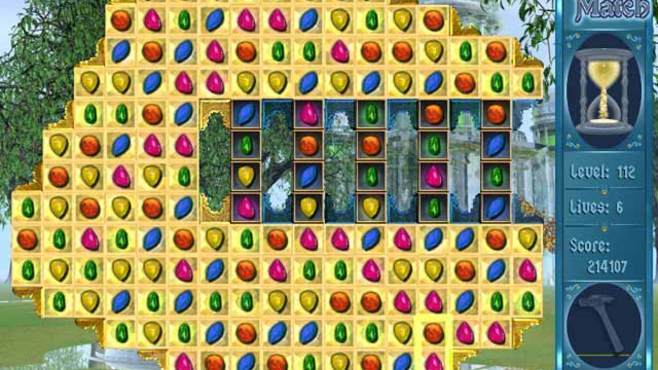
    Here’s a detailed description for Jewel Match 4:


    Jewel Match 4 is an engaging match-3 puzzle adventure game that challenges players to connect four or more jewels of the same color to complete levels and uncover hidden treasures. With vibrant graphics, immersive sound effects, and hundreds of increasingly challenging levels, the game combines strategic thinking with a relaxing, casual gameplay experience.

    Players explore diverse worlds, from ancient ruins to magical landscapes, each filled with unique obstacles, power-ups, and special jewels. By forming chains of jewels, players can activate boosters, clear difficult blocks, and solve puzzles to progress through the storyline.

    Ideal for fans of puzzle games, Jewel Match 4 provides hours of entertainment with its mix of logic, planning, and colorful visuals, making it suitable for all ages.

    Key Features:

    • Hundreds of levels with increasing difficulty.
    • Unique boosters and power-ups to enhance gameplay.
    • Beautiful, colorful graphics and immersive sound design.
    • Hidden treasures and surprises to unlock as you progress.
    • Casual yet challenging gameplay suitable for all ages.

    Here’s a description of Runefall — if you like match‑3 games but also enjoy exploration, quests, and a bit of town‑building, Runefall gives you a nice twist on the genre. (Steam Store)

    🎯 What is Runefall

    Runefall is a match‑3 puzzle + adventure game set in a medieval fantasy world. Instead of just matching jewels or tiles on a static board, each match advances your character across large, explorable maps. (Steam Store)

    You play as (or join) the people of the ruined village Rivermoor, located in the kingdom Silverdale. The town has fallen into disrepair (due to war or calamity), and your goal is to rebuild Rivermoor by gathering resources—like gold, wood, and stone—through solving match‑3 puzzles. (fgl.com)

    Throughout the journey you’ll collect hidden artifacts and “runes,” open treasure chests, unlock secret areas, and gradually restore the village’s structures. (GameTop.com)

    🧩 Gameplay Mechanics & Features

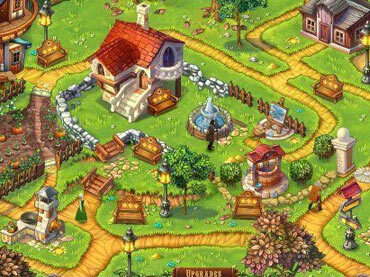
    • Match‑3 meets exploration: Every time you match tiles, the camera shifts — your character moves across the environment, letting you traverse swamps, forests, mountains, ruins — rather than staying on a fixed board. (Steam Store)
    • Resource collection & town building: By matching resources (wood, stone, gold), you gather materials to rebuild and upgrade buildings in Rivermoor. As the town improves, you unlock bonuses, power‑ups and additional gameplay features. (GameTop.com)
    • Quests, exploration & secrets: The game includes quests from townsfolk, hidden artifacts and runes to discover, secret areas to uncover, and environmental obstacles like rivers, cliffs, or overgrown vines that you need to navigate. (GameTop.com)
    • Story & atmosphere: The setting and narrative give more depth than typical match‑3 games: you help rebuild a once‑thriving medieval village and restore hope to its people. (fgl.com)
    • Casual, accessible, but with layers: Runefall remains accessible for casual players, but its mix of puzzle, resource management, exploration, and story makes it richer than a typical casual puzzle game. (Steambase)

    📦 Technical & Release Info

    • Released on June 6, 2018 on PC (and via various online platforms) by developer Playcademy. (Steam Store)
    • Supports single-player, with language support in multiple languages. (Steam Store)
    • Minimal system requirements — modest specs (so should run even on relatively old PCs). (PCGameBenchmark)

    Since you create gaming‑related content often, Runefall could be a good fit if you like match‑3 mechanics + light story + casual exploration — simpler than a full RPG but more interesting than a basic match‑3.

    Image
    Image
    Image

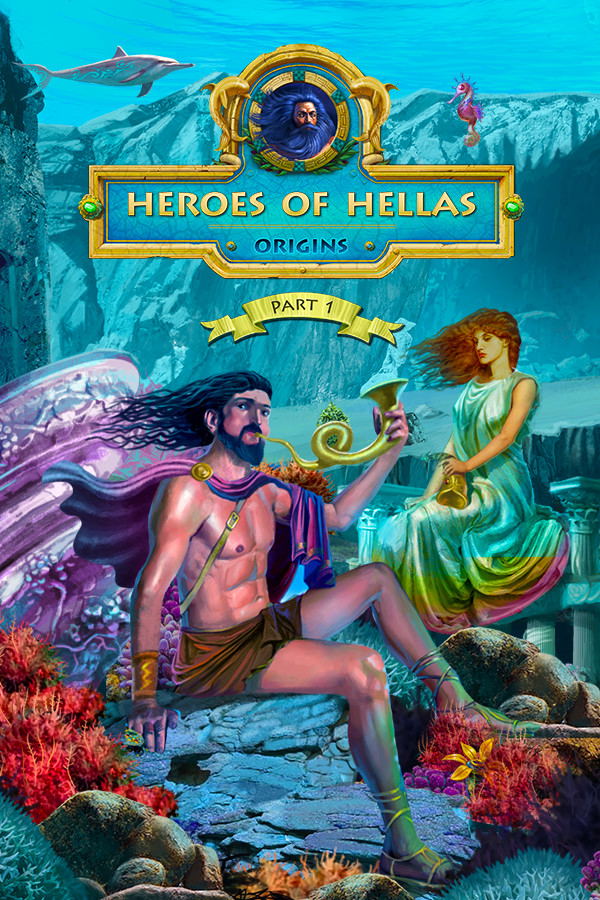
    Here’s a description of Heroes of Hellas Origins: Part One — what it is, how it plays, and what makes it distinctive (and what to expect).


    🎯 What is Heroes of Hellas Origins: Part One

    • Heroes of Hellas Origins: Part One is a match‑3 / puzzle‑adventure game for PC (Windows). (Steam Store)
    • It uses a mythological / ancient‑Greek / underwater‑fantasy theme: as the game opens, the realm of Hellas is falling into chaos, and gods — starting with Poseidon — call on you to restore balance. (Steam Store)
    • The game was released on October 9, 2019. (Steam Store)

    🧩 Gameplay Mechanics & Features

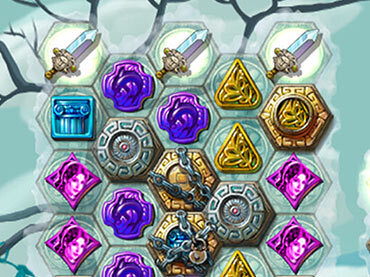
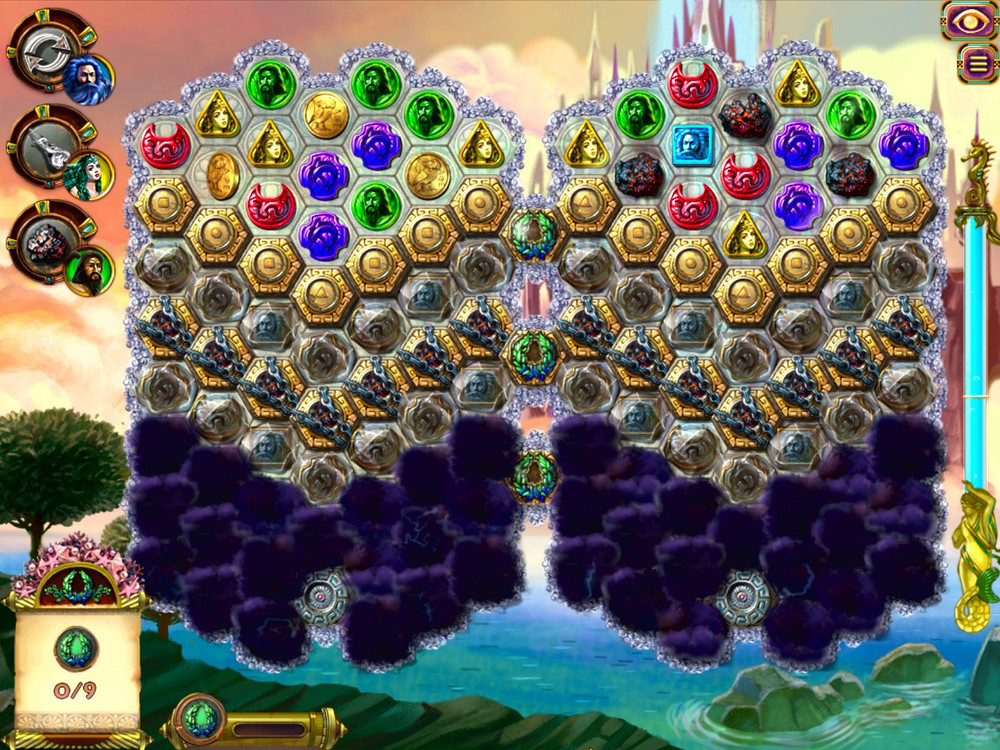
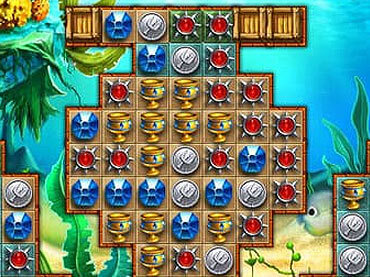
    • The core gameplay is classic match‑3 style: you create chains of shimmering tokens/gems to clear obstacles and gather magical items. (GameTop.com)
    • As you progress, you also build and “reveal” an underwater/undersea world — successful matches and level completions gradually restore the realm, giving a sense of world‑building alongside puzzle progression. (Alawar Land)
    • The game includes “God powers” / bonuses: you can enlist help from gods to clear boards faster or help in tricky situations. (GameTop.com)
    • Besides regular match‑3 levels, there are special puzzle‑boards that offer variety — giving you tasks or board layouts that need more planning than standard matches. (Steam Store)
    • There are many levels (dozens) across mythic or themed stages — giving a full “journey” rather than a short demo. (GameTop.com)

    🌍 Theme, Atmosphere & Story

    • The setting is rooted in ancient Greek / mythological lore: chaos has engulfed Hellas, and gods intervene to summon a hero (you) to restore peace. (Steam Store)
    • As you clear levels and progress, you gradually restore an underwater / mystical world — the visuals and audio aim to deliver an immersive and somewhat magical experience. (Alawar Land)
    • The game mixes casual puzzle‑fun with a light narrative of gods, magic, and restoration, giving the match‑3 action more context than “just gems.” (GameHouse.com)

    ✅ What It Does Well — Strengths

    • Accessible yet thematic: Match‑3 gameplay is easy to pick up, but the Greek myth + underwater‑world theme adds flavor and atmosphere, which makes it more engaging than a plain “bejeweled clone.”
    • Good pacing & variety: With standard levels, special puzzle‑boards, and bonus/god‑powered abilities, the game avoids becoming monotonous quickly.
    • Decent value for casual players: Dozens of levels and a progression of building the underwater realm give satisfying “progress + reward” feel without overwhelming complexity.
    • Visually and audibly appealing: The game reportedly offers a nice audiovisual package, with effects for long chains/bonuses and an oceanic/mystic environment that enhances immersion. (Steam Store)

    ⚠️ What to Know / Limitations

    • It remains fundamentally a casual match‑3 game — don’t expect deep RPG mechanics, heavy strategy, or long-form story depth.
    • As with many match‑3 games: later levels can get more challenging, sometimes relying on luck or using bonuses to clear difficult boards — might feel repetitive if you dislike that.
    • The “story” and “mythological narrative” mostly serve as framing/context. The gameplay loop remains “match → clear → rebuild/advance,” so if you prefer narrative-rich games, this might feel light.

    🎮 What Playing It Feels Like

    Playing Heroes of Hellas Origins: Part One feels like embarking on a mythical undersea puzzle‑quest: you match tokens, trigger magical effects, slowly rebuild a sunken or chaotic world, and sense the presence of gods guiding your actions. It’s relaxing yet engaging — ideal if you enjoy casual puzzles with a bit of fantasy flavor rather than raw arcade or hardcore challenge.


    Image
    Image
    Image

    Here’s a description of Lost in Reefs Match 3 — what it is, how it plays, and what makes it (or doesn’t) stand out.


    🎯 What is Lost in Reefs Match 3

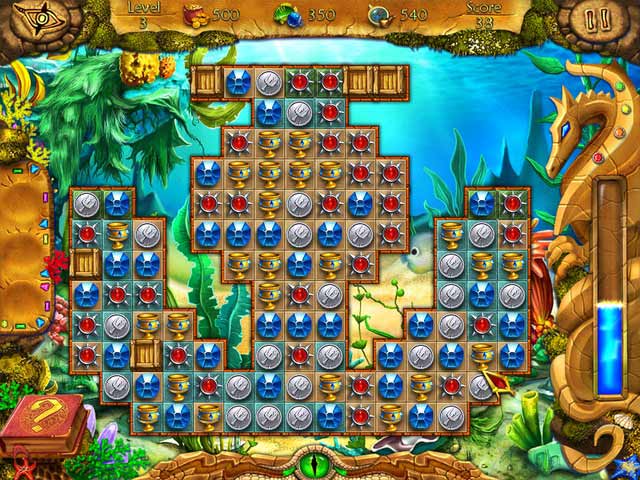
    • Lost in Reefs Match 3 is a match‑3 / puzzle‑casual game set in an underwater / sunken‑city theme. (GameTop.com)
    • As you solve puzzles, you gradually reconstruct a forgotten underwater city / civilization that sank into the depths long ago. Your progress across levels helps “raise” districts and reveal more of the city’s ruins and secrets. (GameTop.com)

    🧩 Gameplay Mechanics & Features

    • The core gameplay is match‑3: you match tiles to break “marble plaques” / stone tiles covering the board. By matching over them you clear them and free up space. (GameHouse.com)
    • There are multiple gameplay modes — depending on the level, you may use different board layouts. The game offers variety beyond a plain “match‑3 every time.” (GameHouse.com)
    • As you clear boards, you collect resources. These resources are then used to build/restore parts of the underwater city — so there’s a city‑building / progression element on top of puzzles. (MacGameStore)
    • The game is relatively lightweight and modest in size (small download size), which makes it accessible for modest PCs. (GameTop.com)
    • It features a relaxing atmosphere: underwater visuals, calm (or ambient) soundtrack, and a casual pace — more “explore & restore” than “race against time.” (GameHouse.com)

    🌊 Theme, Atmosphere & “What It Feels Like”

    • The setting is a sunken civilization beneath the sea — giving the game a sense of mystery: ruins, hidden city, underwater exploration feel. (WildTangent)
    • Because of the “restore city + puzzles” loop, playing Lost in Reefs feels like a cautious underwater expedition: you solve one puzzle, uncover a bit of history, rebuild part of the city, then dive deeper. Over time, you gradually see visible progress (new districts, city structures), rather than just clearing arbitrary levels.
    • The combination of puzzles + gradual rebuilding + calm atmosphere makes it suitable for casual, relaxed sessions, where you want low pressure and a nice sense of progression — more “discovery & light challenge” than “intense or competitive.”

    ✅ What It Does Well — Strengths

    • Blend of puzzle + light city‑building: The mix of match‑3 mechanics with resource collection and city restoration gives more purpose to puzzles compared with games that just “match for points.”
    • Accessible & relaxed: Simple match‑3 rules, combined with a casual pace and modest system requirements, makes it easy to pick up and play — good for casual gamers or quick sessions.
    • Atmosphere & presentation: The underwater + sunken‑city theme adds flavor and ambience, which helps make the game feel more than just another gem‑matcher.
    • Variety in levels / modes: Because of different modes or board layouts, it avoids feeling too repetitive immediately — there’s some variety.

    ⚠️ What to Know / Possible Limitations

    • The “city‑building” aspect is mostly cosmetic/progression‑based: it doesn’t turn the game into a deep simulation or elaborate strategy game. It remains fundamentally a match‑3 puzzle.
    • Over time (especially after many levels), the core match‑3 mechanic may feel repetitive — as with many puzzle‑casual games. The novelty of “uncovering city” may wear off after a while, if you don’t enjoy the “match + rebuild + repeat” loop.
    • The game is older / simpler: visuals, effects, and mechanics are not “modern AAA” — but that’s part of its charm if you appreciate simpler, lightweight casual games.

    🧑‍💻 What Playing It Feels Like

    Playing Lost in Reefs Match 3 feels like exploring a forgotten underwater kingdom — each match removes layers of stone, each cleared tile reveals treasures or resources, and with each level the ruined city slowly comes back to life. It’s soothing, somewhat meditative, and gives a subtle “progress + reward” feeling rather than forcing you into high-stress, fast‑paced gameplay. Good for when you want to unwind, puzzle casually, and feel a bit of satisfaction with building/restoration.


    Image
    Image
    Image

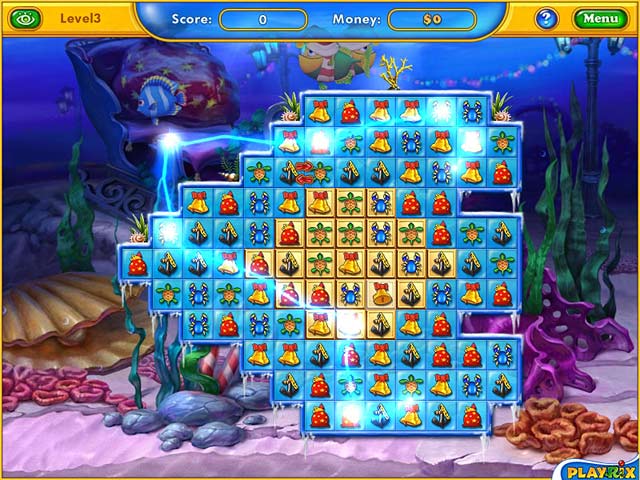
    Here’s a detailed breakdown of Fishdom: Frosty Splash — what it is, how it plays, what makes it special (and what to watch out for) in case you think of trying it.


    🎯 What is Fishdom: Frosty Splash

    • Fishdom: Frosty Splash is a match‑3 / puzzle + aquarium‑decoration game by Playrix. (MobyGames)
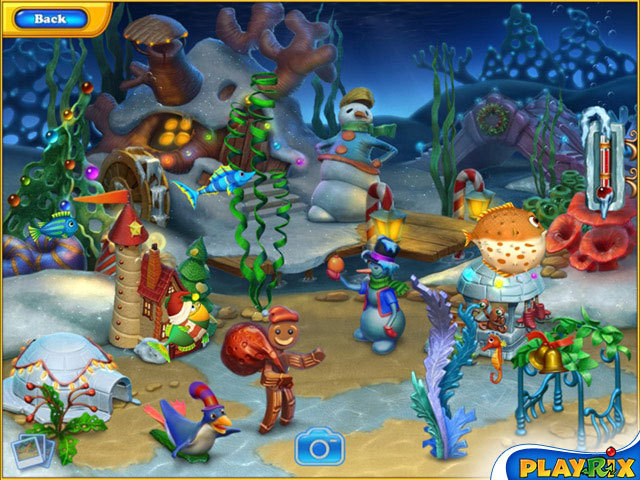
    • It’s a seasonal/festive variant in the broader Fishdom series — this version gives the underwater aquarium a winter / holiday / “frosty” makeover (snow, festive decorations, winter-themed fishes & items). (GameHouse.com)
    • Originally released in 2009 (on Windows), and has been available for Windows (other versions in the Fishdom series run on multiple platforms). (MobyGames)

    🧩 Gameplay & Mechanics

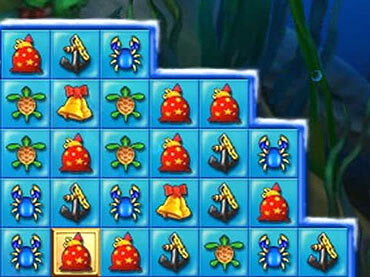
    • The core is match‑3 puzzle gameplay: you swap adjacent tiles to form a row or column of 3+ identical items to clear them. Doing this clears golden tiles (or other target tiles) to complete levels. (Gamezebo)
    • Completing levels earns you coins / in‑game currency. These coins are used to buy fish, decorations, plants, and special winter/winter‑holiday themed items to decorate your aquarium. (GameTop.com)
    • Tanks (aquariums) are customizable — you can place decorative items, fish, plants, winter ornaments; the number of possible tanks is unlimited, letting you build multiple aquariums. (MacGameStore)
    • There are two modes of play: a “Relaxed” mode (no time pressure) and a “Timed / challenge” mode (for more traditional match‑3 difficulty). (MacGameStore)
    • The game often includes power‑ups and bonus tiles (like bombs, line‑clearers, or other special tiles) when you create larger matches or combos — helpful in tougher boards. (Gamezebo)
    • As you progress, the boards can become harder: bigger, more complex shape or with “locked / double‑locked” tiles and obstacles, increasing challenge beyond basic matching. (Gamezebo)

    🎄 Theme & Atmosphere

    • The “frosty / winter holiday aquarium” theme gives the game a cozy, seasonal vibe — instead of a common tropical tank, you decorate with snow‑themed plants, winter ornaments, penguins or holiday‑style fish and accessories. (GameHouse.com)
    • Decorations can include snowmen, candy canes, winter corals/sea‑plants, festive ornaments — giving a holiday‑aquarium aesthetic rather than classic aquarium. (GameHouse.com)
    • You even have the option to turn your decorated aquarium into a screensaver, which adds a casual, decorative reward — nice for players who enjoy the “design / customization” side of things. (MobyGames)

    ✅ What Works / Strengths

    • Casual and relaxing: The match‑3 + aquarium decoration loop is easygoing — good for short sessions or chill gaming.
    • Dual appeal: puzzles + creativity: If you enjoy both puzzle solving and creative decoration/collection, this gives you both — matching tiles for coins, then decorating and building aquariums.
    • Seasonal / festive vibe: The winter / holiday theme feels cozy and distinct — nice if you like whimsical or festive aesthetics rather than generic.
    • Flexibility: Relaxed mode allows for stress‑free play, while timed/regular mode gives challenge. Plus unlimited tanks — plenty of replay value.
    • Power‑ups & variety: Special tiles and board obstacles add enough challenge and variety to avoid monotony while staying accessible.

    ⚠️ What to Know / Possible Downsides

    • The story / narrative is minimal — it’s mainly puzzle + decoration, so don’t expect deep plot or character-driven adventure.
    • If you’re used to complex modern puzzle games, the mechanics might feel simple or old‑school, since the core is basic match‑3.
    • As levels progress, obstacle tiles/locked tiles may appear, which may require luck + good use of power‑ups — so difficulty can sometimes feel less about skill, more about randomness/tile drops.
    • For players who dislike “cosmetic / decoration grinding,” the process of collecting coins → buying decorations may feel repetitive over time.

    🧑‍💻 What Playing It Feels Like

    Playing Fishdom: Frosty Splash feels like a cozy winter evening: you solve tile puzzles, then step back and decorate an aquarium full of snow‑themed decorations and fish as if building a winter underwater snow‑globe. It’s ideal for casual, relaxing sessions when you want something easy but with a bit of charm — and satisfying if you enjoy both puzzles and decorating/collecting.


    Image
    Image
    Image

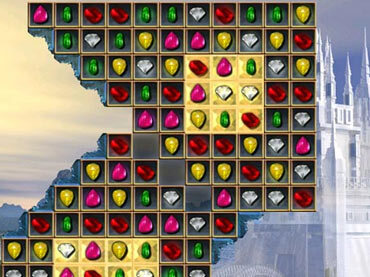
    Here’s a description of Jewel Match — what it is, how it plays, and what to expect if you try it:


    🎯 What is Jewel Match

    • Jewel Match is a match‑3 / casual puzzle game developed by Suricate Software. (MacGameStore)
    • It was originally released in 2007. (MacGameStore)
    • The game is designed for players who enjoy gem‑matching and relaxing puzzle sessions — it doesn’t aim to be a heavy RPG or action game. (MacGameStore)

    🧩 Gameplay & Core Mechanics

    • The basic mechanic: you swap adjacent gems/jewels on a grid to form lines (or clusters) of three or more identical jewels. Once matched, those jewels disappear from the board. (MacGameStore)
    • The game features 150 levels in total. (MacGameStore)
    • There are two main modes:
      • Regular (timed / classic) — adds some pressure if there’s a timer. (MacGameStore)
      • Relaxed mode — for casual play without time pressure. (MacGameStore)

    ✅ What Makes It Appealing

    • Simple and accessible — Easy to learn (swap & match), so good even for newcomers or casual players.
    • Large amount of content — With 150 levels, there’s plenty of gameplay for a casual puzzle game.
    • Flexible play style — Option to relax (no time pressure) or challenge yourself (regular mode).
    • Classic match‑3 satisfaction — Swapping, matching, watching jewels pop — the basic “match‑3 fun.”

    ⚠️ What to Expect / Limitations

    • The game is fairly basic/straightforward — it doesn’t have deep story, RPG‑style progression, or heavy strategy. It’s “just” a match‑3.
    • For players used to modern puzzle games with many mechanics (power‑ups, combo systems, complex boards), Jewel Match may feel simpler or more old‑school.
    • As with many match‑3 games: later levels may rely partly on luck (tile drops) more than pure skill — success can depend on what the board gives you after each clear.

    🎮 What Playing It Feels Like

    Playing Jewel Match feels like a classic gem‑matching session: you scan the board, look for possible swaps, match jewels, maybe chain combos, and slowly progress through level after level. It’s ideal when you want a light, low‑pressure, relaxing puzzle experience — whether you have a few minutes to spare or want to unwind with a simple game loop.


    جميع الحقوق محفوظة ل TheApptopia
    تصميم : عالم المدون