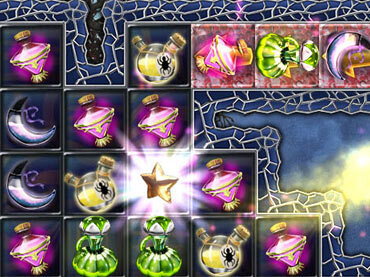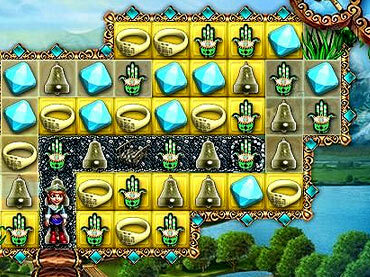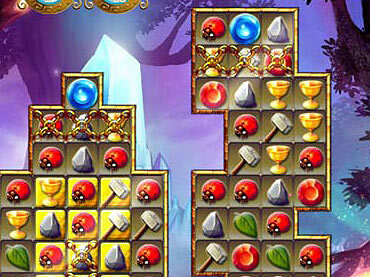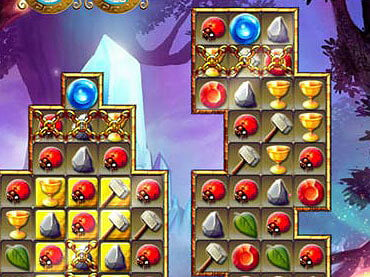



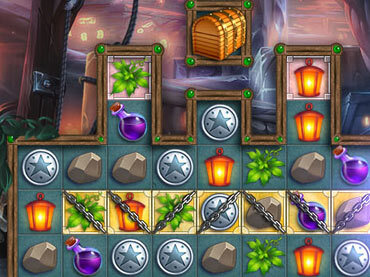
Cavern Quest 2

Image
Image
Image

Here’s a description of Cavern Quest 2 — what it is, how it plays, and what you can expect if you try it.


🎯 What is Cavern Quest 2

  • Cavern Quest 2 is a match‑3 / puzzle‑adventure game for PC (Windows). (GameTop.com)
  • It’s developed by MD Studio. (Steam Store)
  • The game's story centers on a stolen sacred relic — an apprentice steals it from the abbey and escapes to a mysterious underground cave‑city called Ermin‑tara. As the player, you chase after the thief; your mission is to recover the relic before dark forces merge the demon world with your world. (GameTop.com)

🧩 Gameplay Mechanics & Features

  • The core gameplay is match‑3 puzzles: you swap tiles to match three (or more) identical gems/items to clear them and fulfil objectives. (GameTop.com)
  • But it’s not just plain matching — the game blends match‑3 with adventure / hidden‑object and RPG-ish elements: spells, talents, power‑ups, and skills that you acquire and upgrade as you progress. (Ladies Gamers)
  • There are many different levels and locations — the game claims ~ 37 distinct hand‑painted locations to explore, each with its own match‑3 boards, obstacles, and goals. (GameTop.com)
  • Variety of game modes and difficulty levels: you can adjust difficulty and choose modes depending on your preference (relaxed / standard / more challenging). (GameTop.com)
  • Boss fights & strategy elements: Some levels involve combat-style puzzles: you and an enemy “face off,” and making certain matches deals damage or triggers special effects. This adds an extra layer beyond simple matching. (LifeisXbox)
  • Progression and unlockables: As you succeed in puzzles/quests, you unlock spells, talents, and special abilities — giving a modest sense of character progression rather than a “bare-bones” puzzle game. (LifeisXbox)

🌑 Theme, Atmosphere & Story

  • The setting is a mystical underground cave city (Ermin‑tara), with a dark, somewhat ominous back‑story (stolen relic, demon threat). This gives the game more narrative weight and atmosphere compared to a generic match‑3. (Steam Store)
  • The visuals tend to be hand‑painted and artistic, with varied locales — giving a “fantasy adventure” vibe more than a simple jewel‑matching vibe. (MacGameStore)
  • Music and sound accompany the mood: puzzles versus combat, exploration, and the darker tone of the story — giving a more immersive experience. (Ladies Gamers)

✅ What It Does Well — Strengths

  • Mix of genres: Match‑3 + adventure + light RPG elements + story — this hybrid gives more depth and variety than a plain puzzle game.
  • Varied gameplay: Because of different modes, battle puzzles, normal puzzles, and exploration, the game manages to stay fresh over many levels instead of becoming repetitive quickly.
  • Accessible yet deep enough: It’s easy to learn, but skills/spells/talents and boss fights add layers that can keep you engaged if you like a bit of strategy.
  • Atmosphere & art style: The cave‑city / fantasy setting and hand‑painted locales deliver a nice immersive aesthetic — more engaging than “just gems on a board.”

⚠️ What to Know / Potential Limitations

  • The storyline — while more than many match‑3s — is not deeply complex; if you expect a heavy narrative or rich character development, you might find it modest. (GameTop.com)
  • For maximum enjoyment, boss fights and tougher puzzles may require spells/skills — so it sometimes leans on those systems rather than pure tile‑matching skill. (LifeisXbox)
  • As with many match‑3‑based games: certain levels can feel like luck matters (tile drops), especially when you deal with chained/blocked tiles or obstacles.

🎮 What Playing It Feels Like

Playing Cavern Quest 2 feels like going on a mini fantasy‑adventure where puzzles and exploration are wrapped in a story of mystery, danger, and rescue. You’ll jump between matching gems to break obstacles or fight demons, then switch to exploration or story segments. The mix of puzzle, strategy (spells/talents), and narrative gives a satisfying balance: relaxing at times, stimulating at others — a nice fit for casual and more invested players alike.


Pharaoh Puzzle

Image
Image
Image

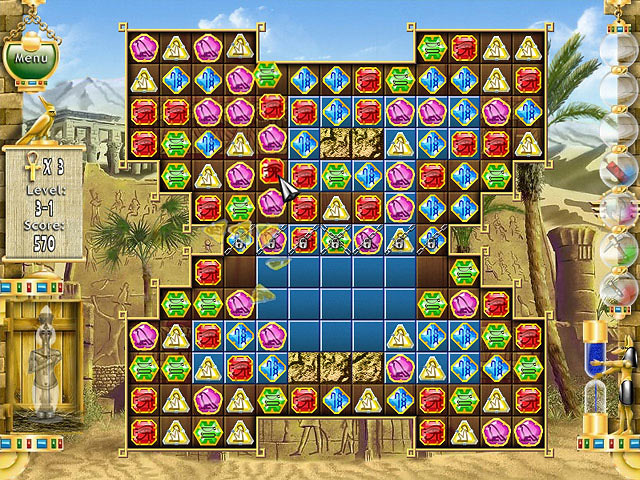
Here’s a description of Pharaoh Puzzle — what the game is, how it plays, and what to expect.


🎯 What is Pharaoh Puzzle

  • Pharaoh Puzzle is a match‑3 / tile‑matching puzzle game for Windows. (GameTop.com)
  • The game is set in an ancient‑Egypt themed world: as you progress, you explore archaeological sites, uncover relics and treasures, and gradually build a “museum of wonders.” (GameTop.com)
  • The download size is small (~ 20 MB), meaning it’s a lightweight, accessible game for casual play. (GameTop.com)

🧩 Gameplay — Mechanics & Structure

  • The core mechanic is classic match‑3: you match gems/tiles of the same color to clear them. (GameTop.com)
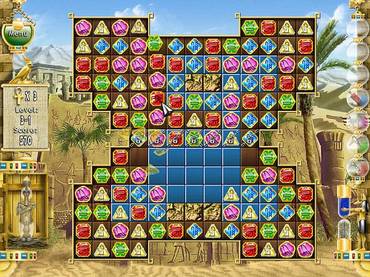
  • On each board, there are blue “cells” or target tiles that you must clear — matching around or on them until they vanish. Once cleared, an “artifact” or relic appears. That artifact then “drops” to the bottom of the board — get it to the bottom to complete the level. (GameTop.com)
  • By collecting matching gems of certain colors, you can earn power‑ups/bonuses (e.g. special tools like a “shovel” or a “turnabout”) that help you clear difficult boards. (GameTop.com)
  • The game tracks and rewards your progress — when you “discover” artifacts, they are added to your museum collection, giving a sense of progression beyond just clearing boards. (GameTop.com)

🌄 Theme, Atmosphere & Style

  • The Egyptian/“pharaoh” theme gives it a light sense of adventure: you’re not just matching gems — you’re exploring tombs/ruins, uncovering relics, restoring artifacts, and building a collection. This gives context and “flavor” to the puzzles, which many plain match‑3 games lack. (01net.com)
  • Graphics and presentation are simple — but functional and in tune with the theme (gems, relics, artifact icons, maybe Egyptian‑style UI). Given the small file size, it’s not a heavy or modern‑graphical game, but it’s straightforward, low‑barrier, and easy to run even on modest PCs. (GameTop.com)

✅ What Works / What It’s Good For

  • Casual & accessible — Because of its simple mechanics and small size, it’s easy to jump in and play: good for quick sessions, older PCs, or casual gamers.
  • Fun “discovery + collection” loop — Matching gems → uncovering relics → adding to a museum is a satisfying progression loop — makes completing levels feel more meaningful than just “get a high score.”
  • Lightweight & low‑resource — Good for players who don’t want heavy graphics or large installations; works on older/low‑spec computers.
  • Balanced difficulty & helpful tools — The power‑ups and bonuses help smooth over tricky levels or tight spots, making the game player‑friendly rather than frustrating.

⚠️ What to Know / What It’s Not

  • Basic match‑3 game: Don’t expect deep story, RPG elements, or complex mechanics. At its heart, it’s a casual tile‑matching game with a simple reward loop.
  • Graphics & polish are modest: Given size and age, visuals won’t compare to modern high‑end games — but that’s part of its “light & easy” charm.
  • Limited complexity: For players used to match‑3 games with many additional mechanics (combos, special boards, heavy meta‑progression), Pharaoh Puzzle may feel simpler or more “old‑school.”
  • Relic‑collection is more cosmetic than strategic: The “museum building / artifact collection” adds flavor and motivation — but doesn’t really change puzzle mechanics or add deep strategic layers.

🎮 What Playing It Feels Like

Playing Pharaoh Puzzle feels like a relaxed, light‑hearted archaeological expedition in a simplified Egyptian world: you click and match gems, slowly clear boards, unearth relics, and watch your personal museum fill up — without pressure, time crunch, or high skill demands. It fits well for short play sessions when you want something simple and low‑stress, or for downtime when you don’t want a big narrative or heavy gameplay demands.


Jewel Match Winter Wonderland

Image
Image

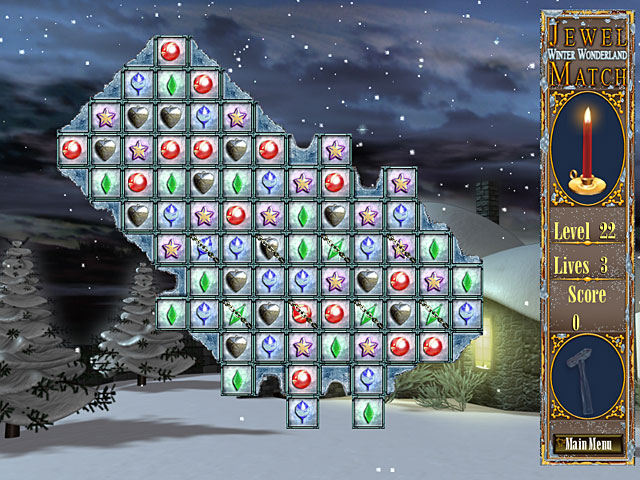
Here’s a description of Jewel Match: Winter Wonderland — what kind of game it is, how it plays, and what makes it stand out.


🎯 What is Jewel Match: Winter Wonderland

  • Jewel Match: Winter Wonderland is a match-3 / tile-matching puzzle game for PC (Windows). (MobyGames)
  • It is developed by Suricate Software. (MobyGames)
  • The game has a holiday/winter theme — snowy backgrounds, ice boxes, and a cozy “winter wonderland / festive” atmosphere with matching holiday-style jewels. (GameTop.com)

🧩 Gameplay Mechanics & Features

  • The core gameplay is match-3: you swap adjacent jewels to line up three or more identical gems, which then disappear. (MobyGames)
  • Many tiles are frozen under ice, and part of the challenge is to clear the ice by matching jewels on or around those ice-covered tiles. Only after clearing the ice can you complete the level. (MobyGames)
  • Some special mechanics: making bigger matches (e.g. 4 or 5 jewels) can produce special jewel-types — e.g. an “ice-crystal” (wild-type) or a “snowball” that can clear larger parts of the board in one move. (MobyGames)
  • The game has 150 levels. (IPlay)
  • There are two main game modes: a regular mode and a “relaxed” (more casual) mode — so you can choose to play more leisurely or with challenge. (IPlay)
  • Background ambience: the game features a calm/holiday soundtrack and winter-themed visuals that aim to give a cozy, festive vibe. (GameTop.com)

✅ What Makes It Appealing

  • Cozy, festive atmosphere — the winter / holiday visuals, ice-tiles, soft music give a pleasant, “relaxing winter night by the fireplace” mood, which can be soothing and nice for casual play.
  • Easy to pick up — match-3 mechanics are familiar and intuitive, making the game accessible even for casual or new players.
  • Good variety & replayable — 150 levels + special tiles (ice crystals, snowballs) + ice-breaking mechanics add variety beyond simple matching.
  • Flexible play style — thanks to the relaxed mode, you don’t need to rush or stress; good for someone who wants a calm, chill game instead of high-pressure puzzles.

⚠️ What to Know / What It’s Not

  • It remains fundamentally a casual puzzle game — there is no deep story, RPG elements, or heavy strategy: it’s jewel-matching + ice-clearing + board clearing.
  • Later levels may become trickier (with more ice, locked tiles or fewer moves), which can make some levels more challenging — but also possibly dependent on luck (tile drops).
  • If you prefer games with strong narratives, character development, or long-term progression systems — this game may feel simple or limited.

🎮 What Playing It Feels Like

Playing Jewel Match: Winter Wonderland is like curling up in a snowy cabin with a warm drink and working on a comfy, gently challenging puzzle: you click, swap, match — ice crystals break, snow sparkles — and you slowly chip away at frozen tiles until the board clears. The winter setting gives each level a little extra charm, making it more than “just a gem-matching game.” It's ideal when you want a low-pressure, relaxing game session — especially in a cozy or quiet mood.


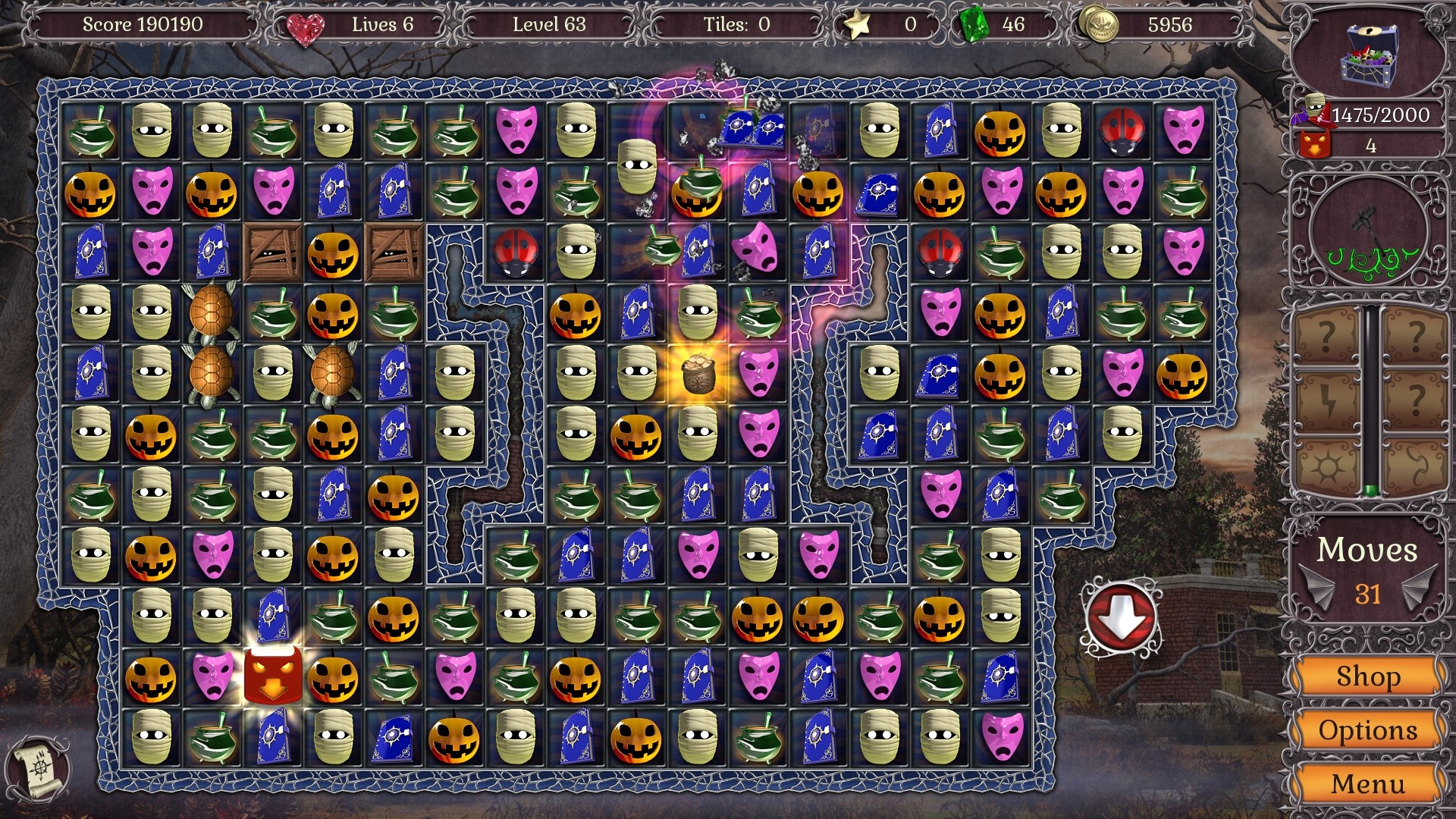
Jewel Match Twilight 2

Image
Image
Image

Here’s a detailed description of Jewel Match Twilight 2 — what it is, how it plays, and what stands out about it.


🎯 What is Jewel Match Twilight 2

  • Jewel Match Twilight 2 is a match-3 puzzle adventure for PC. (Steam Store)
  • It’s developed by Suricate Software and published by Grey Alien Games. (Steam Store)
  • The game embraces a dark / spooky / horror-fantasy theme: the kingdom has been ravaged by a scourge, strongholds destroyed, and the land is haunted. As a player, you’re sent on a mission to explore, restore (or at least journey through) haunted castles and crypts, pushing back the evil. (GameHouse.com)

🧩 Gameplay & Mechanics

  • Match-3 core gameplay: you match gems/jewels on a board to clear them, as in classic match-3 style. (GameTop.com)
  • The game offers 90 main levels, plus 50+ bonus puzzle and “crystal” levels — so there’s substantial content. (Steam Store)
  • You get different play-modes to suit your style: “timed”, “relaxed” (no pressure), or “move-limited”. (GameHouse.com)
  • Beyond standard boards, the game introduces extra mechanics to mix things up: special elements like lava vials, conveyor belts, ghost balloons, etc., which affect how you plan and execute matches. (WildTangent)
  • There are also mini-games that unlock via “puzzle and crystal” levels: hidden-object scenes and jigsaw puzzles for extra variety, rewards (coins), and decoration/upgrade options. (Steam Store)
  • As you play you can purchase upgrades and power-ups from a shop — these help you deal with tougher boards or special obstacles. (GameTop.com)
  • There are optional “secret crypts” — hidden areas/levels with bonus loot and extra challenge/reward if you explore carefully. (GameHouse.com)

🌑 Theme, Atmosphere & What Makes It Special

  • The “twilight / haunted-kingdom” theme: rather than a bright, cheerful gem-matching world, the visuals and vibes in Jewel Match Twilight 2 lean dark, eerie, and spooky — haunted castles, crypts, creepy decorations. (GameHouse.com)
  • The combination of match-3 core + mini-games + upgrades + optional hidden crypts gives more variety and depth than a “plain” match-3. This helps prevent the gameplay from feeling too repetitive.
  • The flexibility in modes (timed / relaxed / move-limited) makes it accessible for both casual, laid-back play and more challenge-oriented sessions.
  • The bonus content — puzzle levels, hidden-object, jigsaw puzzles, decorations — adds a “spooky adventure + puzzle collection” dimension rather than endless uniform boards.

✅ Pros — What It Does Well

  • Great for casual puzzle fans: easy to pick up, forgiving in relaxed mode, but with enough mechanics and variety to stay interesting.
  • The dark/spooky atmosphere and theme make it stand out among typical gem-match games — if you like “slightly creepy / haunted / gothic” settings, it gives good vibe and mood.
  • Variety of content: 90+ main levels + many bonus levels + mini-games + optional crypts — offers decent longevity.
  • Replayability via multiple modes and unlockable power-ups/ upgrades — gives options for different playstyles.
  • Mix of gameplay types (match-3 + hidden-object + jigsaw + upgrades) — more than a straight match-3, giving small breaks in the core loop and more rewards for variety.

⚠️ Cons / What to Keep in Mind

  • It’s still fundamentally a casual match-3 puzzle — if you expect deep story, RPG-style character progression, or action/adventure complexity, those are not present.
  • Like many match-3 games, some levels (especially later ones) may depend somewhat on luck (tile drop pattern, power-ups) — so progress may sometimes feel random rather than skill-only.
  • If you dislike horror / spook-themed aesthetics (ghosts, crypts, dark castles), the vibe might not appeal.
  • Hidden features (secret crypts, bonus levels) may require extra effort to unlock — so if you just want a quick casual game, you might not explore everything.

🎮 What Playing It Feels Like

Playing Jewel Match Twilight 2 feels like wandering through a haunted kingdom while matching gems — every board is an opportunity to “push back the darkness.” There’s a mix of satisfaction from clearing boards, the occasional challenge when special mechanics or obstacles appear, and a small sense of progression when you unlock upgrades, mini-games, or secret crypts. It’s a cozy (if spooky) mix of puzzle, light adventure, and casual chill — good for relaxed evening gaming or short sessions when you want a low-pressure but atmospheric experience.


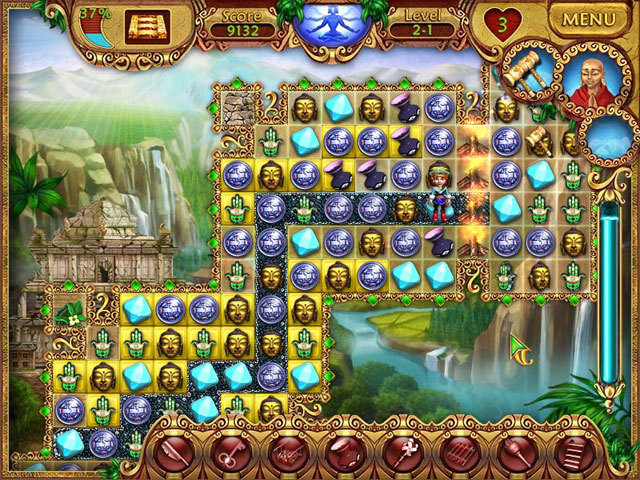
Tibet Quest Match 3

Image
Image
Image

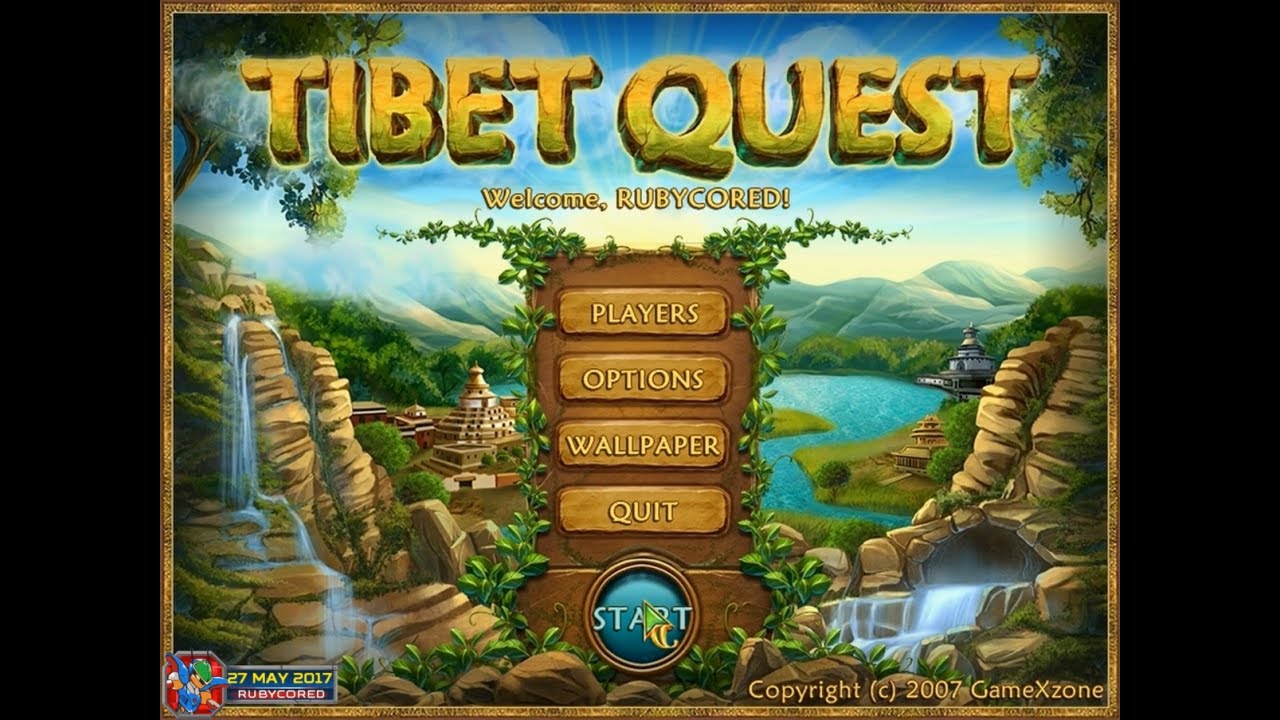
Here’s a description of Tibet Quest (Match 3 Puzzle Adventure) — what it is, how it plays, and what its story + mechanics are like.


🎯 What Is Tibet Quest

  • Tibet Quest is a match-3 + puzzle adventure game for desktop (Windows — older OS versions, and there are versions for macOS) that combines tile-matching with a simple storyline and exploration theme. (WildTangent)
  • The game was originally released around 2009. (WildTangent)

📖 Story & Setting

  • You play as a character named Jane whose father — a scientist/explorer — disappeared while searching for the legendary city of Shangri La in Tibet. (WildTangent)
  • Jane inherits her father’s travel journal (and a necklace that turns out to be a “key”), plus a fragment of a map — and sets off on a journey through the mountains of Tibet to follow his tracks, solve the mystery, and (possibly) find Shangri La. (IPlay)
  • As the journey unfolds, you pass through ancient ruins, treacherous mountain paths, and mysterious landscapes, searching clues and building tools to progress deeper — the “adventure” framing gives match-3 puzzles a purpose beyond just clearing boards. (Masque)

🧩 Gameplay Mechanics

  • The core gameplay is classic match-3 tile/puzzle: you align three or more identical items (gems, symbols, tiles) to clear them. (MobyGames)
  • As you match tiles, you collect useful items — for instance tools, keys, machetes, or even hot-air-balloon parts — which allow you to overcome obstacles, unlock new paths, or travel further. (MobyGames)
  • Completing a level advances the story: clearing a board may give you resources, pieces of the balloon or map fragments, or other items needed for progression. (MobyGames)
  • The game features a progressive “map” or “quest path”: as you succeed through puzzles and gather required items, new areas in Tibet become accessible — keeping the sense of exploration alive. (GameTop.com)
  • According to some versions, there are around 65 puzzle levels (in the original release) for you to play through the full journey. (WildTangent)

✅ What’s Good / Appealing

  • Puzzle + adventure mix — the tile-matching mechanics get a sense of purpose thanks to the storyline: you’re not just matching for points, you’re helping Jane find her father and discover secrets.
  • Easy to pick up — simple controls (swap/match) and straightforward mechanics make it accessible to casual and occasional gamers.
  • Lightweight / modest requirements — since it’s a simpler 2D/puzzle game from 2009, it can run even on older or less powerful PCs.
  • Sense of progression and exploration — building tools (like a hot-air balloon), unlocking new areas, and gradually pushing deeper into Tibet gives a feeling of journey and discovery rather than standalone levels.

⚠️ What to Expect / What It’s Not

  • The storyline is fairly simple and — while giving context — is not deeply complex or “RPG-level”: it supports the puzzles but doesn’t offer a deep narrative.
  • As with many match-3 puzzle games: after a while, gameplay can become repetitive if you’re mainly doing tile matching. The “tool-collection / unlocks” help, but it remains fairly casual.
  • Because the game is older, graphics and polish reflect older standards — don’t expect modern HD visuals or advanced effects.

🎮 What Playing It Feels Like

Playing Tibet Quest is like a relaxed, exploratory treasure hunt: you steadily solve match-3 puzzles, gather bits of balloon, keys, or tools, then unlock the next mountain trail in Tibet. Every board feels like a step forward — not just another level — giving you a sense of purpose and progress. If you enjoy puzzle games and don’t mind a simple story with modest visuals, it’s a pleasant and chill way to spend some time.


Jewel Match 2

Image
Image
Image

Here’s a breakdown of Jewel Match 2 — what the game is, how it plays, and what stands out if you try it.


🎯 What is Jewel Match 2

  • Jewel Match 2 is a match-3 / tile-matching puzzle game for PC (and older Macs). (MacGameStore)
  • It’s developed by Suricate Software. (MobyGames)
  • The game aims to blend casual, easy-to-learn gameplay with some extra flavor — like building castles and using spells/power-ups — rather than being “just another match-3.” (GameHouse.com)

🧩 Gameplay Mechanics & Features

  • Match-3 core: You swap adjacent jewels to make a line (or column) of 3 or more identical gems. That clears those gems from the board. (MobyGames)
  • Level structure: There are 150 levels total. (GameHouse.com)
  • Obstacles & challenges: As you advance, you’ll encounter chained tiles (gems locked by chains), “silver/gold plates” that need matching to transform or unlock, and other blocking tiles — all adding complexity beyond basic match-3. (MobyGames)
  • Goals per level: In many levels, the objective is to clear all “gold tiles/tiles beneath them” and then — in some variants — drop a special medallion or gem to the bottom to finish the level. (MobyGames)
  • Power-ups & spells: You can collect coins (from matches) to buy spells or use power-ups like hammers, bombs, or “fire/lighting spells” that can, e.g., clear a large area, break chains, or destroy many tiles — useful for tricky boards. (MacGameStore)
  • Castle-building “meta” progression: As you clear levels and gather gems/coins, you can “build” or “unlock” castles in fantasy/fairytale settings — a decorative reward and a little sense of progression beyond the puzzles. (GameHouse.com)
  • Two play modes: Regular (timed or standard mode) and a “Relaxed” mode for casual play without time pressure. (GameHouse.com)

✅ What Makes It Appealing

  • Easy to pick up and play — The mechanics are simple: swap-to-match gems, clear tiles, use power-ups. Good for casual players or short sessions.
  • Variety & challenge — With obstacles, locked tiles, chained gems, and other complications, the game becomes more interesting than “just match-gems over and over.”
  • Power-ups & strategic options — Buying spells or using hammers/bombs gives players tools to solve tougher levels, adding an extra layer beyond pure luck or reflex.
  • Progression beyond levels — Building castles gives a small sense of accomplishment and visual reward, which can be more satisfying than just “clearing boards.”
  • Relaxed vs regular modes — Lets you adjust the pace: choose casual/relaxed if you just want to chill, or go for a challenge if you want more pressure/fun.

⚠️ What It’s Not / Limitations to Know

  • The “story” or “flavor” (castles, gems, magic) is light — it’s mostly a puzzle game. Don’t expect deep narrative or evolving characters.
  • As with many match-3 games: at some point the gameplay can feel repetitive — a few similar boards in a row, or heavy reliance on power-ups to win harder levels.
  • On higher levels, difficulty can spike, and sometimes success depends on both strategy and luck (tile drops, power-up availability).
  • If you’re looking for modern graphics or highly dynamic gameplay — it’s more old-school casual puzzle style (though that’s part of its charm for many).

🎮 What Playing It Feels Like

Playing Jewel Match 2 is like a light, casual escape: you figure out a good match, gems pop — maybe trigger a combo — and you slowly chip away at the board. Every few levels, you unlock something: a spell, a castle upgrade, maybe a power-up. It feels rewarding in a low-stress, comforting way — ideal when you want to unwind rather than grind. The added challenge from obstacles and locked tiles gives occasional bursts of “puzzle-thinking” that mix nicely with the relaxing pace.


Trip to Greece Travel Riddles

Image
Image
Image

Here’s a breakdown of Travel Riddles: Trip To Greece — what it is, how it plays, and what makes it stand out (and what to expect).


🎯 What is Travel Riddles: Trip To Greece

  • Travel Riddles: Trip To Greece is a casual match-3 puzzle game for PC (and there are versions for mobile/other platforms too). (GameTop.com)
  • The game is developed by Notus Games Ltd. (Steam Store)
  • The premise: you “travel” through Greece — visiting famous locales and historical-style sites (real or stylized) — while solving puzzles and collecting artifacts along the way. (GameTop.com)

🧩 Gameplay Mechanics & Structure

  • The core gameplay is match-3: you swap tiles or icons to match three or more identical items, clearing them from the board. (GameTop.com)
  • There are more than 200 levels in total and 8 themed “episodes”, each taking you through different parts of Greece as you progress. (Steam Store)
  • As you complete levels, you collect artifacts — the game offers up to 96 unique artifacts (ranging from ancient-style relics to “modern” items) to unlock/display. (Steam Store)
  • The levels gradually increase in difficulty: early ones are simpler, later ones introduce more challenge, new board layouts, or obstacles. (GameTop.com)
  • There are power-ups / boosters to help when a level gets tricky (e.g. clearing many tiles at once or overcoming obstacles). (GameTop.com)

🌍 Theme, Setting & What Makes It Special

  • The “travel through Greece” theme adds a sense of exploration: you “visit” places like Athens, Delphi, Meteora, Santorini (or at least stylized versions of them) as you progress. (Steam Store)
  • As you complete levels and collect artifacts, the game also gives you little tidbits or glimpses of history, culture, or “Greek-atmosphere” — a light educational + decorative flavor beyond the puzzles. (MacGameStore)
  • The visuals, music/backgrounds, and overall presentation try to evoke a relaxing “vacation & history tour” vibe — making the game more than just “match-some tiles.” (MacGameStore)

✅ What Works / What It’s Good For

  • It’s easy to pick up and play — match-3 mechanics are familiar and intuitive, so anyone (even casual players) can jump in without a steep learning curve.
  • Good for relaxed gaming sessions — light, casual, doesn’t demand intense concentration or reflexes. Great for winding down or playing in short bursts.
  • Long gameplay — with 200+ levels and many artifacts to collect, there’s good longevity for a casual puzzle game.
  • Themed & varied — the travel/Greek theme gives an extra layer of motivation and enjoyment beyond basic matching: the sense of “progress” and “discovery.”
  • Power-ups & increasing challenge — while starting easy, it gradually gets more interesting — so there’s variety and a sense of progression.

⚠️ What to Keep in Mind / What It’s Not

  • It’s fundamentally a casual puzzle game — so don’t expect deep story, heavy adventure mechanics, RPG elements, or complex strategy. The “travel + artifacts” framing is mostly aesthetic/contextual.
  • As with many match-3 games: once you get through many levels, some puzzles may start to feel repetitive — especially if you don’t care about collecting artifacts or story bits.
  • If you prefer fast-paced action or games with deep narrative, this may feel too “gentle” or “light.”

🎮 What Playing It Feels Like

Playing Travel Riddles: Trip To Greece feels like a laid-back digital vacation + puzzle journey: you’re switching tiles to match, clearing levels, and every few levels you “unlock” a new place in Greece, discover a new artifact, or move forward in your “tour.” It has a calming rhythm, a pleasant vibe, and a sense of incremental progress that can be satisfying, especially if you enjoy puzzles with low stress and moderate challenge.


MAMP PRO

MAMP PRO is a professional local web development environment for macOS and Windows. It provides an easy-to-install stack including Apache, Nginx, MySQL, and PHP, allowing developers to run and test websites locally. MAMP PRO offers advanced features like virtual hosts, dynamic DNS, SSL support, and easy server configuration, making it ideal for professional web development and testing before deploying to live servers.

The Spell Match 3

Here’s a detailed overview of Travel Riddles: Trip to Greece (also marketed as Trip to Greece: Travel Riddles):


🎮 Game Overview

  • Travel Riddles: Trip to Greece is a match‑3 puzzle game set across Greece, developed by Notus Games Ltd and published by Big Fish Games. (Metacritic)
  • The game features more than 200 levels spread over 8 themed episodes, and the player collects 96 artifacts from ancient to modern Greek culture and landmarks. (GameTop.com)
  • Locations visited in‑game include major Greek sites such as Athens, Delphi, Meteora and Santorini. (RAWG)

🧩 Gameplay & Features

  • Core match‑3 mechanics: swap adjacent tiles (gems/objects) to align groups of three or more and clear them. Levels gradually introduce obstacles and varied layouts. (GameTop.com)
  • Artifact collection: As you complete levels you unlock/display artifacts—this collection adds a meta‑layer of completion beyond merely finishing boards. (GameHouse.com)
  • Episodes & progression: 8 distinct episodes means you unlock new locations/themes as you progress. Each episode brings new visuals and boards. (MacGameStore)
  • Platforms: Available for Windows PC via several distributors. There is also a version on iOS (App Store) listing for “Travel Riddles: Trip To Greece” with in‑app purchases. (App Store)

✅ Why It Might Appeal

  • Good pick if you like match‑3 games with a travel/adventure/theme twist: the Greece setting gives the game extra flavour (history, places, artifacts) rather than abstract tiles.
  • The artifact collection and multiple episodes help give you reasons to keep playing beyond just “clear next level”.
  • It’s relatively casual: you can dip in for a session, and the progressive nature works for relaxed puzzle play.

⚠️ Things to Keep in Mind

  • As with many match‑3 games, the core loop remains familiar: if you’ve played many of them you may feel it’s more of a variation than a radically new mechanic.
  • On Mac, one listing notes that the game is 32‑bit only, meaning it may not run on newer macOS versions (10.15+ without compatibility). (MacGameStore)
  • The user review base is relatively small (few reviews on Steam etc) so wide‑scale community feedback is limited. (Metacritic)

10 Talismans Match 3

Here’s a description of 10 Talismans (also titled 10 Talismans: Oriental Match‑3 Puzzle):


🎮 Overview

10 Talismans is a casual match‑3 puzzle game developed by Nevosoft where you journey into an ancient oriental setting to collect ten powerful talismans that — according to legend — bring wisdom, power and fortune. (iPhone.Nevosoft.com)
Each level presents a board of symbolic items (e.g., lanterns, coins, swords, scrolls) which you must match in rows of three or more to clear. (GameTop.com)


🧩 Gameplay & Features

  • Game modes:
    Classic mode features a burning fuse/timer (you must finish before ignition) while Timeless mode lets you play at your own pace. (MobyGames)
  • Levels & progression: There are 50+ levels (some sources say up to around 80) across various themed boards. (MobyGames)
  • Power‑ups and variety: As you play you unlock special power‑moves (e.g., “dragon power” clears sections of the board) and encounter obstacles such as blocked tiles. (ArcadeLife : Life vs Video Games)
  • Visuals & theme: The game uses an “Oriental” aesthetic (ancient east landscapes, symbolic relics), accompanied by relaxing music and scenic backdrops. (iPhone.Nevosoft.com)

✅ Why It Might Be Worth Playing

  • If you enjoy match‑3 games with a relaxed aesthetic, this offers a nice thematic variation (oriental / talisman quest) rather than just abstract gems.
  • The inclusion of both timed and relaxed modes means you can choose how challenging you want the experience to be.
  • It’s accessible and fairly lightweight, making it easy to pick up for short sessions.

⚠️ Things to Keep in Mind

  • While the theme and presentation are solid, the core mechanics are quite standard for match‑3 games — the novelty is more in the flavour than radically new gameplay.
  • The timer/fuse mode may add pressure if you prefer completely chill puzzling — you may prefer the Timeless mode if you want something more relaxed.
  • Depending on platform/version, it may be an older game, so check compatibility if you’re using newer OS/hardware.

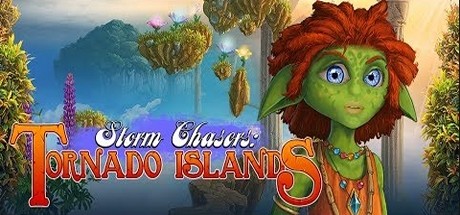
Storm Chasers Tornado Islands

Storm Chasers: Tornado Islands

Image
Image
Image

Here’s a detailed overview of Storm Chasers: Tornado Islands. If you’d like a summary or quick look instead, I can provide that too.


🎮 Game Overview

Storm Chasers: Tornado Islands is a casual match‑3 puzzle game developed by Lazy Turtle Games and published by HH‑Games (and some other distributors) for Windows. (Steambase)
The player joins characters Alex, Professor Finch and their dog Muffin after their airship is pulled by a tornado into another dimension. They crash‑land on floating islands (the “Tornado Islands”), where they must help rebuild a cloud village, fix their ship, explore the new world, and return home. (GameTop.com)


🧩 Key Gameplay & Features

  • The core is match‑3 gameplay: you clear tiles by matching three or more identical items on a board. (MobyGames)
  • The game boasts 80+ unique match‑3 levels. (GameTop.com)
  • Beyond match‑3, it includes other mini‑game modes like hidden‑object and mahjong segments. (GameTop.com)
  • There is a meta‑progression layer: you help rebuild the cloud village (repair buildings, unlock structures) and gradually repair the airship through the story. (IPlay)
  • Visuals: Full HD graphics, colourful floating‑island settings and cloud‑village aesthetic. (GameTop.com)
  • System requirements: Very modest. One listing shows minimum CPU ~1.0 GHz, 256‑512 MB RAM, storage ~300 MB for Windows. (Steam Store)
  • Release & availability: Originally listed in 2018 for PC (Windows) and on Steam as of Jan 2020. (Steambase)

✅ Why You Might Like It

  • If you enjoy match‑3 puzzles and like a story/setting rather than purely board‑after‑board, this delivers that: adventure + rebuild + puzzle.
  • The rebuilding of the cloud village gives a nice sense of progression beyond clearing levels.
  • The inclusion of hidden‑object and mahjong elements adds variety to the gameplay loop.
  • Very accessible: light requirements, casual pace (though challenge ramps optional).

⚠️ Things to Consider

  • Though the setting and extras lift it a bit, the core mechanics remain standard match‑3; if you’re seeking radical innovation or deep strategy this may feel familiar.
  • The meta‑game (village rebuild, airship repair) is relatively light; the main draw remains solving puzzle boards.
  • It seems to be primarily a Windows PC title; if you are using Mac / Linux / mobile you’ll need to check compatibility.
  • Reviews: On Steam, reviews are “Positive” though based on a smaller user base (fewer reviews). (Steam Store)

📋 Quick Specs

  • Developer: Lazy Turtle Games (GameCompanies.com)
  • Publisher: HH‑Games (Steambase)
  • Release Date: September 4, 2018 (Windows) (MobyGames); Steam listing shows Jan 30, 2020. (Steam Store)
  • Platform: Windows PC (Windows 7/8/10) (Big Fish Games)
  • Minimum System Requirements (approx): CPU ~1.0 GHz, RAM ~256‑512 MB, Storage ~300 MB. (Steam Store)
  • Pricing: On Steam, seen at ~$8.99 USD standard. (Steambase)

The Trials of Olympus II Wrath of the Gods

The Trials of Olympus II: Wrath of the Gods

Image
Image
Image

Here’s a detailed look at The Trials of Olympus II: Wrath of the Gods — what it is, how it plays, and whether it might be a good fit for you.


🎮 Game Overview

  • The game is a match‑3 puzzle title set in a Greek mythology context, developed by e‑FunSoft Games and published by HH‑Games (and others). (Steam Store)
  • Storyline: You play as Angelo (or a similar hero) who has built a palace and married Princess Amara — but then the war‑god Ares kidnaps the princess, and you must embark on a quest across mythic worlds (Vortex, Olympian Sky Kingdom, etc) to save her. (Steam Store)
  • The game features over 100 challenging match‑3 levels, spread across 5 distinct worlds. (Steam Store)
  • It also has a “fortress building/upgrades” meta‑game: 32 upgrades to construct the world’s most powerful fortress. (GameTop.com)

🧩 Gameplay & Features

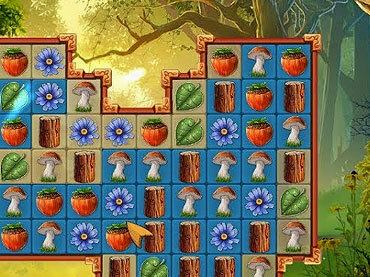
  • Core mechanics: Standard match‑3 style — swap adjacent tiles/gems to make matches of three or more to clear them, meet level objectives (e.g., clear obstacles, collect items). (IPlay)
  • Meta‑game elements: As you complete levels you unlock/earn resources for fortress upgrades (32 upgrades). This adds a layer beyond just solving boards. (Steam Store)
  • Thematic/level design: Five worlds to conquer, each with its own challenges and mythic beasts. (IPlay)
  • Platform & size: PC/Windows (Windows 7/8/10/11) version available; minimum requirements very modest (256 MB RAM, ~400 MB storage). (Steam Store)

✅ Why You Might Like It

  • If you enjoy match‑3 puzzle games and like the idea of a mythological Greek‑theme (gods, Titans, gothic sky kingdoms), this has strong thematic flavour.
  • The addition of the fortress‑upgrade meta‑layer gives more incentive to progress than just “next level” for its own sake.

  • The level count (100+) and multiple worlds suggest reasonable content for the price.
⚠️ Considerations & Limitations

  • Despite the mythic setting and meta‑game, the core gameplay remains traditional match‑3 — so if you’re seeking something radically new or experimental, it may feel familiar.
  • The PC version’s presentation and polish may not match major AAA titles — it’s more of a casual/indie style match‑3 offering.
  • The meta‑game, while a plus, may be relatively light (i.e., upgrades but not necessarily deep strategy).
  • While some reviews are positive (“Positive” on Steam) the user base is small and critical reviews are limited. (Steam Store)

📋 Quick Specs

  • Developer: e‑FunSoft Games (Steam Store)
  • Publisher: HH‑Games (Windows) (Steam Store)
  • Release Date: January 28, 2019 on Steam for the latest version. (Steam Store)
  • Platforms: Windows PC (Windows 7/8/10/11) (Steam Store)
  • File size / storage: ~400 MB free storage required as per Steam listing. (Steam Store)
  • Approximate price: Steam keys have been seen in the ~$4 USD range. (GameBoost)

🎯 Verdict

If you’re someone who:

  • enjoys casual puzzle games (especially match‑3)
  • likes mythology / Greek gods settings
  • wants a bit more than “just another board after another board” (via upgrades/meta)

Then The Trials of Olympus II: Wrath of the Gods is likely a solid pick.

If however you:

  • want deep puzzle mechanics beyond match‑3 (like new tile types, radical board layouts, heavy strategy)
  • prefer top‑tier graphics or large‑scale AAA production values
  • are looking for multiplayer or massive replayability

Then you might find it somewhat modest but still enjoyable as a relaxed game.


Lazarus

Lazarus is a free, open-source integrated development environment (IDE) for the Free Pascal programming language. It provides a visual design interface similar to Delphi, allowing developers to create cross-platform GUI applications easily. Lazarus supports rapid application development, debugging, and compilation for Windows, macOS, Linux, and other platforms, making it ideal for building native desktop applications.

Kite

Kite is an AI-powered coding assistant that integrates with popular code editors like Visual Studio Code, PyCharm, and Sublime Text. It provides autocomplete suggestions, documentation lookup, and code snippets to help developers write Python and other supported languages faster and more accurately. Kite uses machine learning to analyze code context and offer relevant completions in real time.

Twitter Delicious Facebook Digg Stumbleupon Favorites More